



variable frequency starter
Variable Frequency Drives (VFDs) are essential components in modern electrical systems, especially where precise motor control, energy efficiency, and process automation are required. These drives regulate the speed and torque of electric motors by adjusting the frequency and voltage of the power supplied. Whether you are in manufacturing, HVAC, water treatment, or energy management, selecting the right VFD is key to optimizing performance and minimizing energy costs. This guide explains the main types of variable frequency drive , how variable frequency drives function, common applications, and a breakdown of the variable frequency drives price range. What Is a Variable Frequency Drive A variable frequency drive is an electronic device used to control the rotational speed and torque of an alternating current (AC) electric motor. It works by varying the input frequency and voltage sent to the motor, making it possible to operate at different speeds without mechanical gear changes or constant on/off cycling. VFDs are used primarily with three-phase AC induction motors but are also compatible with permanent magnet and synchronous motors in more advanced applications. Types of Variable Frequency Drive Different types of VFDs are designed based on the method of control and intended application. The main classifications include: 1. Voltage Source Inverter (VSI) Drives This is the most common type of VFD. It converts the incoming AC power to DC using a rectifier, and then inverts it back to AC at the desired frequency. VSI drives are widely used in industrial applications due to their efficiency and simplicity. Applications: Pumps, fans, compressors, conveyors 2. Current Source Inverter (CSI) Drives CSI drives also convert AC to DC, but they maintain a constant current instead of voltage. These drives are more complex, less common, and typically used in high-power applications. Applications: Large compressors, blowers, heavy-duty motors in petrochemical or steel plants 3. Pulse Width Modulation (PWM) Drives PWM drives are a subtype of VSI drives. They control motor voltage and frequency using high-speed switching devices, offering smooth control and low harmonic distortion. Applications: HVAC systems, elevators, machine tools 4. Scalar (V/f) Control Drives These provide basic motor control by maintaining a constant voltage-to-frequency ratio. Scalar drives are suitable for applications where speed control is more important than torque. Applications: Centrifugal pumps, basic fans, general automation 5. Vector Control Drives Vector control or field-oriented control (FOC) offers precise control over both speed and torque by decoupling motor magnetic fields. These are suitable for complex motion control tasks. Applications: Robotics, cranes, CNC machines, elevators 6. Direct Torque Control (DTC) Drives DTC drives provide ultra-fast and highly accurate control of motor torque and speed, without requiring encoder feedback in many cases. Applications: High-performance industrial drives, printing presses, winders The choice of VFD type depends on the complexity of control required, load characteristics, system integration needs, and budget. Benefits of Variable Frequency Drives Energy Savings : Reduces energy consumption by running motors only at the speed needed Improved Process Control : Allows precise speed and torque control Extended Equipment Life : Reduces mechanical stress on motors and connected equipment Lower Operating Costs : Optimizes energy use and reduces maintenance frequency Reduced Inrush Current : Soft start and stop functions reduce electrical strain during startup These benefits make VFDs one of the most cost-effective upgrades for any system using electric motors. Applications of Variable Frequency Drives Variable frequency drives are used across a wide range of industries: HVAC : Control fans, pumps, and compressors for energy efficiency Water and Wastewater : Regulate pump speeds and flow rates Manufacturing : Improve control of conveyor systems, extruders, mixers Oil and Gas : Drive large pumps and compressors with precise torque control Agriculture : Irrigation pumps, grain handling systems Mining : Crushers, hoists, and ore conveyors Any system requiring variable motor speed or torque can benefit from integrating a VFD. Variable Frequency Drives Price Overview The variable frequency drives price varies depending on power rating, brand, features, and communication capabilities. Typical price ranges are: Low-Power VFDs (up to 5 HP) Three hundred to eight hundred US dollars Used for small pumps, fans, conveyors, and machine tools Medium-Power VFDs (5 to 50 HP) Eight hundred to three thousand US dollars Common in HVAC systems, industrial automation, and medium-sized machinery High-Power VFDs (50 HP and above) Three thousand to twenty thousand US dollars or more Used in large-scale operations such as water treatment plants, factories, or oilfield equipment Factors that influence pricing: Power capacity in kilowatts or horsepower Input voltage (single-phase or three-phase, 220V, 400V, 690V) Control method (V/f, vector control, DTC) Built-in communication protocols (Modbus, Profibus, Ethernet/IP) Enclosure type (IP20, IP55, NEMA-rated) Brand reputation and after-sales service availability Advanced features such as regenerative braking, harmonic filtering, and integrated PLC functionality also increase the total cost. What to Consider When Choosing a VFD Motor Compatibility Ensure the VFD matches the motor's voltage, current, and control requirements. Load Type Constant torque or variable torque loads require different VFD specifications. Environment Dusty, humid, or high-temperature environments may require VFDs with special enclosures or cooling systems. Communication Needs Select drives with the right protocols for integration with SCADA or industrial automation systems. Ease of Use and Interface User-friendly programming, remote access, and fault diagnostics improve usability and reduce downtime. Supplier Support Reliable technical support and warranty services are essential for long-term performance and maintenance. Variable frequency drives are a critical technology for motor control, delivering measurable improvements in energy efficiency, system performance, and operational flexibility. Understanding the different types of variable frequency drive allows businesses and engineers to choose the right solution based on application demands and budget. When evaluating options, compare performance, compatibility, and long-term support alongside the variable frequency drives price . Whether managing a small pump system or a large industrial operation, investing in the right VFD improves efficiency, reduces costs, and enhances control. Variable Frequency Drives FAQs Can VFDs be used with any AC motor ? They are typically used with three-phase induction motors, though some models also support synchronous and permanent magnet motors. What is the most common type of VFD used in industry ? Voltage Source Inverter (VSI) type with Pulse Width Modulation (PWM) control is the most widely used. Can VFDs improve motor lifespan ? Yes. By providing soft starts and regulating speed, VFDs reduce wear and tear on motors and connected mechanical systems. Are VFDs compatible with generators ? Yes, but careful attention must be paid to voltage stability, harmonics, and protection to avoid compatibility issues. What happens if a VFD is undersized for the motor ? The drive may overheat, shut down frequently, or fail prematurely. It is essential to match the drive capacity to the motor’s full load current.
We focus on providing one - stop international trade solutions, including product procurement, international logistics, market consulting, and supply chain management services.
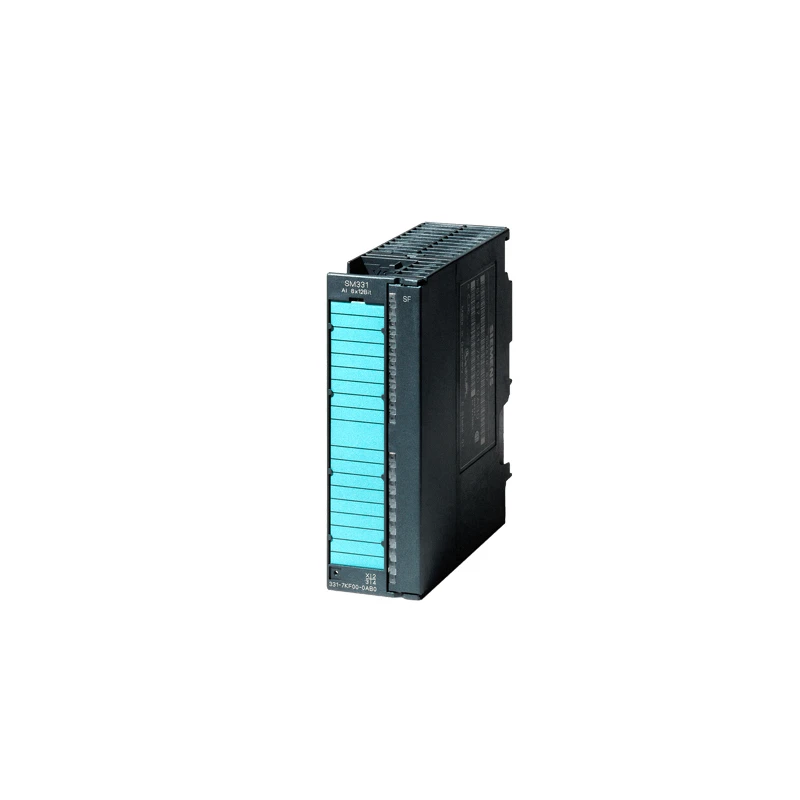
siemens 1200 profibus
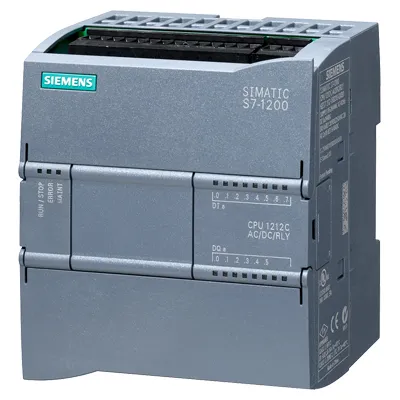
step 7 hmi
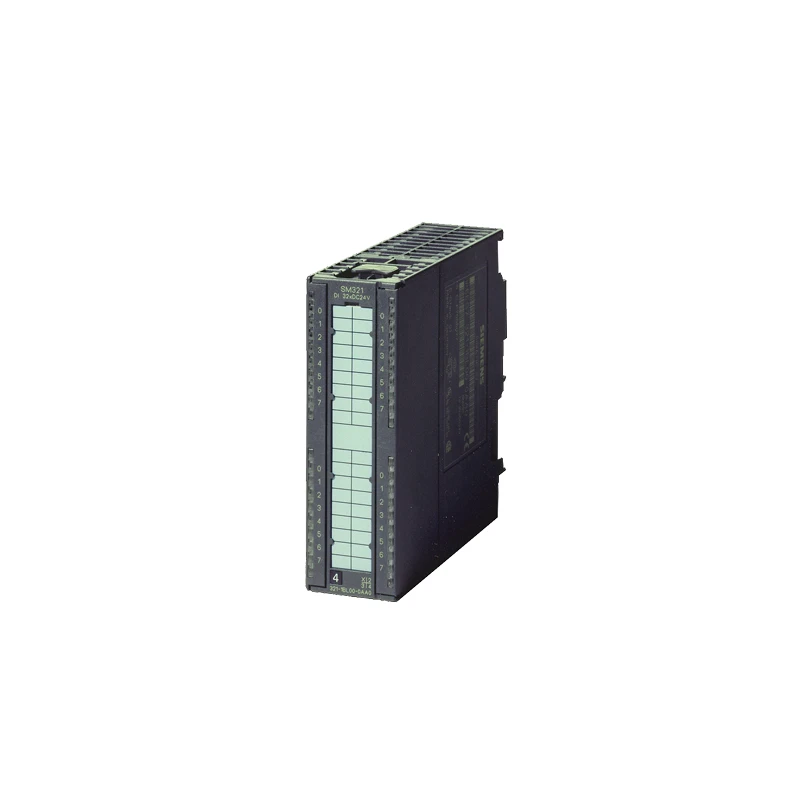
vfd for single phase motor price
6sl3244 obb12 1pa1
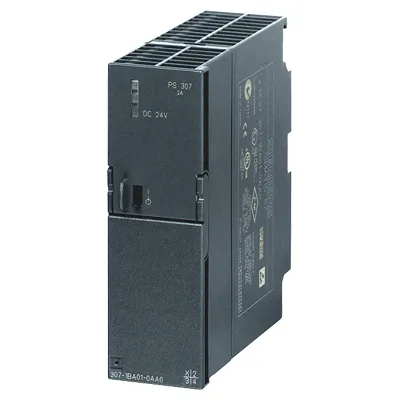
siemens s7 300 cpu 314c 2pn dp
cpu 315f
6sl3320 1te38 4aa3
We focus on providing one - stop international trade solutions including product procurement, international... logistics market consulting and supply chain management services
-
2026-04-06 05:11
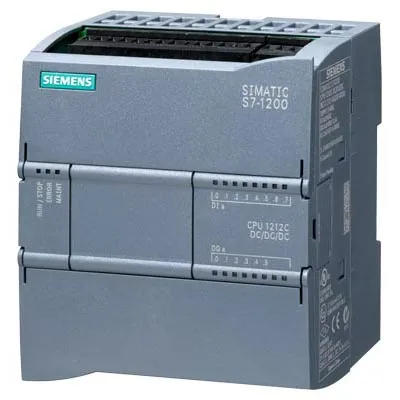
vfd_3_phase_to_single_phase
Navigating the Landscape of Advanced VFD Manufacturing The industrial sector's increasing demand for energy efficiency, precise process control, and robust automation solutions has placed vfd manufacturers at the forefront of innovation. Variable Frequency Drives (VFDs) are indispensable for optimizing motor-driven systems, offering substantial energy savings and enhanced operational flexibility.
-
2026-04-06 03:48
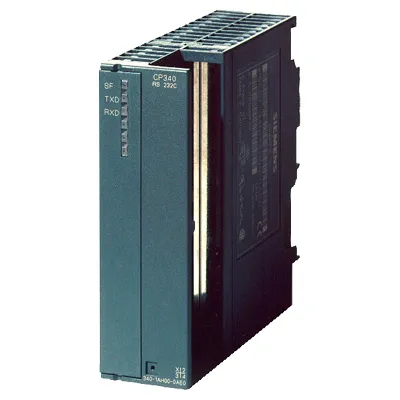
6sl3162_2mb00_0ac0
The 6ES7 318 3EL01 0AB0 is a high-performance Siemens PLC module designed for precision control in industrial settings. This module offers advanced features and capabilities, making it an ideal choice for applications requiring precise control and monitoring. With its robust design and reliable performance, the 6ES7 318 3EL01 0AB0 ensures seamless integration into your existing Siemens PLC system,
-
2026-04-06 03:35
6av2123_2gb03_0ax0_price
6sl3244 0bb12 1pa1, 6sl3244 0bb13 1fa0, 6sl3255 0aa00 4ja2 is a key solution in the manufacturing industry, specifically within Electrical machinery and equipment manufacturing industry and Industrial control equipment manufacturing industry. This article explores how Tianjin Yongkai International Trade Co., Ltd. supports professionals with durable, high-performance products, and explains why this
Call Us or Fill the Form
- +8613821343088 +8613603111169
- xudong.an@tianjingyongkai.com
-
Room 1 - 543, Building E, Zhonghui Xiyuan Plaza, Central Business District, Binhai, Tianjin